Visaop in 2025: How Visa Operations Are Getting Faster, Smarter, and More Secure
TL;DR: Visa operations are being rebuilt. In 2025, governments are replacing outdated booking portals with AI screening, randomized appointment queues, and digital clearance platforms. The result? Less fraud, fewer bots, and a very different application experience for travelers.
If you’ve applied for a visa recently, you’ve probably noticed something: the old, clunky booking systems are disappearing. Governments are pouring money into visa operations—the behind-the-scenes technology that decides who gets an appointment, who gets screened, and who gets approved.
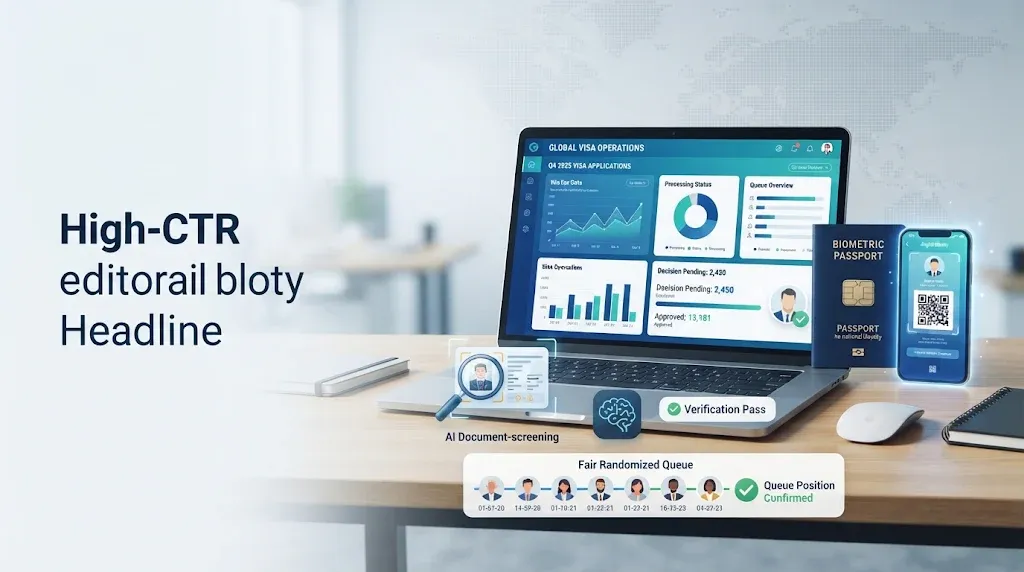
Visaop captures this shift. It’s not just about filling out a form anymore. It’s about AI flagging fake documents, randomized queues replacing “first-click-wins” chaos, and digital platforms processing hundreds of thousands of applications in months.
In this guide, you’ll learn what’s changing in 2025, why it matters for your next application, and what to expect from the new generation of visa systems.
Quick Overview: What’s Happening in Visa Operations Right Now
- Pakistan approved an AI-based visa clearance system in December 2025, launching in January 2026 to detect fake visas before departure.
- The Czech Republic shut down Visapoint, its decade-old booking system, on November 30, 2025, and replaced it with a new platform featuring captcha-secured login and randomized queue numbers.
- Pakistan’s online Visa Prior to Arrival (VPA) platform processed 142,000+ successful visas within six months of launch.
- Legacy systems like Visapoint were criticized for enabling bots and middlemen to grab appointments unfairly.
- The new Visaop era prioritizes transparency, security, and multilingual access over raw speed.
What Does “Visaop” Actually Mean?
Definition: Visaop (short for visa operations) refers to the digital infrastructure governments and agencies use to manage visa applications—from appointment scheduling and document verification to security screening and final issuance.
It’s not a single product or company. Think of it as an umbrella term for the tools that sit between you and a visa officer. When you book an appointment online, upload a passport scan, or receive an email confirming your interview slot, you’re interacting with a visaop system.
For years, these systems were basic. A calendar. A form. Maybe a confirmation email. In 2025, they’re becoming something else entirely—intelligent, automated, and far more resistant to manipulation.
That’s good news for honest applicants. But it also means the rules of the game are changing. Systems that once rewarded speed now reward patience and preparation. Platforms that once ignored language barriers now offer multilingual guidance.
Why Are Governments Replacing Old Visa Platforms?
The short answer: the old systems broke. Visapoint, the Czech Republic’s booking portal, was retired after more than a decade of complaints. The problem? A “first-click-wins” model that bots could exploit, creating a black market for appointment slots.
According to reporting on the shutdown, the system had become a “breeding ground for negativity” and inefficiency. Human applicants couldn’t compete with automated scripts refreshing pages at midnight.
The Three Forces Driving the Visaop Overhaul
- Fraud and document forgery. Pakistan’s Interior Minister explicitly linked the new AI screening system to detecting fake visas and stopping illegal travel before departure.
- Bot abuse and appointment hoarding. The Czech Ministry of Foreign Affairs designed its new platform with captcha-secured login and randomized queue numbers specifically to neutralize bots.
- Volume pressure. Pakistan’s VPA platform processed over 142,000 visas in six months—a workload that manual systems simply cannot handle efficiently.
Governments aren’t replacing these systems because they want to. They’re replacing them because the old ones cannot scale, cannot be trusted, and cannot stop determined bad actors.
How the New Generation of Visaop Systems Works
The new systems share a common architecture. It’s not identical everywhere, but the core components are remarkably consistent. Here’s what a modern visaop platform typically includes:
Step 1: Secure Access and Identity Verification
Before you even see an appointment calendar, the system verifies you’re a human. Captchas, multi-factor authentication, and sometimes biometric checks are baked into the front door. The Czech platform, for example, requires captcha-secured login and creates new user profiles for applicants.
Step 2: Randomized or Fair Queuing
Instead of “fastest finger wins,” some systems now assign random queue numbers or release appointment slots in weekly batches. This removes the incentive for bots and gives ordinary applicants a fair shot.
Step 3: AI-Powered Document Screening
This is the biggest leap. Pakistan’s new system will use artificial intelligence to screen travel documents and flag fraudulent visas before departure. The AI doesn’t approve or reject applications—it identifies anomalies for human review.
Step 4: Real-Time Status Tracking
Digital platforms now let applicants track their application through every stage. No more calling embassies or waiting for vague emails. The system tells you where you stand.
Step 5: Multilingual Guidance
The Czech platform supports English, Czech, Ukrainian, and Vietnamese. This isn’t just politeness—it’s a security feature. Applicants who understand instructions are less likely to submit incomplete or incorrect documents.
The Real-World Impact: What the 2025 Changes Look Like
The shift from legacy systems to modern visaop infrastructure isn’t theoretical. It’s already producing measurable results—and visible friction.
Pakistan’s VPA Platform: Volume Proof
Within six months of launch, Pakistan’s online Visa Prior to Arrival (VPA) platform successfully processed more than 142,000 visas for tourists and business travelers. That’s a concrete signal that digital-first visa operations can handle serious volume.
The VPA platform is part of a broader reform push. The federal cabinet approved the new AI-based clearance system in late December 2025, with implementation set for January 2026. The explicit goal: catch fake visas early and protect the country’s reputation abroad.
The Czech Republic: Transition Pains
The Czech Republic’s switch from Visapoint to its new portal wasn’t seamless. Users in India and the Philippines reported timeouts and error messages within the first two hours. The New York consulate saw employee card application slots disappear in 15 minutes.
But the Ministry of Foreign Affairs reported that the new system handled 18,300 simultaneous logins without crashing and promised gradual upgrades over the following two weeks. The old system might have collapsed under that load. The new one bent but didn’t break.
A note on authoritative guidance: Visa rules and processing times are set by governments, not by platforms. For the most current official information on U.S. visa categories and procedures, the U.S. Department of State’s travel website remains the definitive source. Always verify requirements there before relying on any third-party service.
Modern Systems vs. Legacy Platforms: A Side-by-Side Comparison
| Feature | Legacy Systems (e.g., Visapoint) | Modern Visaop Systems (2025+) |
|---|---|---|
| Appointment booking | First-click-wins; bot-vulnerable | Randomized queues; captcha-secured |
| Document screening | Manual review after submission | AI-assisted pre-screening for fraud |
| Language support | Usually one or two languages | Multilingual by default |
| Status tracking | Email-based, inconsistent | Real-time portal updates |
| Fraud detection | Reactive; after the fact | Proactive; before departure |
| Scalability | Crashes under high volume | Handles 18,000+ simultaneous logins |
| User experience | Frustrating; opaque | Guided; transparent |
The contrast is stark. Legacy systems were built for a world where volume was lower and fraud was less sophisticated. Modern visaop infrastructure is built for a world where both are everyday realities.
What This Means for You as an Applicant
You don’t need to understand the backend architecture to benefit from it. But a few practical shifts matter for anyone applying for a visa in 2025 and beyond.
Prepare for Fairness, Not Speed
If you’re used to refreshing a booking page at midnight, those days are fading. Randomized queue systems mean you can’t hack your way to an early appointment. What you can do is make sure your documents are complete and correct before you ever log in.
Expect More Scrutiny, Not Less
AI screening doesn’t replace human judgment—it sharpens it. Pakistan’s system is designed to flag suspicious documents, not to rubber-stamp applications. If your paperwork has inconsistencies, expect them to be caught earlier.
Use Official Channels for Status Updates
As platforms modernize, official portals become the fastest way to check your status. Third-party “expediting” services that promise shortcuts are increasingly obsolete—and in some cases, risky. For U.S. immigration benefits and processing time data, USCIS.gov publishes official processing time information by form type and office.
Clear Your Browser and Create a Fresh Profile
This is a small but practical tip from the Czech transition: HR teams and applicants were advised to clear browser caches and create new user profiles for the new platform. Old cookies and stored data can cause login errors on new systems.
The Road Ahead: Where Visaop Technology Is Headed
The 2025 changes are a beginning, not an endpoint. Three trends are likely to shape the next wave of visa operations.
AI That Explains Itself
Current AI screening flags anomalies. Future systems may explain why a document was flagged—giving applicants a chance to correct errors before a formal rejection. That would reduce frustration and speed up legitimate applications.
Interoperable Security Standards
As more countries adopt digital clearance systems, pressure will grow for shared standards. A fake visa detected in one country’s system could theoretically trigger alerts in another. The technology exists; the political coordination is the hard part.
Mobile-First, Appointment-Light Workflows
Some visa categories may eventually require fewer in-person appointments. If AI can verify documents and biometrics remotely, the physical embassy visit becomes a final confirmation rather than a bottleneck. The VPA platform’s 142,000 processed visas in six months show that digital-first processing works at scale.
Key Takeaways
- Visaop is the digital infrastructure behind visa processing, and it’s undergoing its biggest upgrade in a decade.
- Legacy systems like Visapoint were retired because bots and fraudsters exploited their weaknesses.
- AI screening and randomized queues are the two defining features of the new generation.
- Real-world results are already visible: 142,000+ visas processed on Pakistan’s VPA platform in six months.
- For applicants, the shift means fairness and scrutiny—prepare documents carefully and use official channels.
FAQ: What People Are Actually Asking About Visaop
What is Visaop in simple terms?
Visaop refers to the digital systems governments use to manage visa applications—booking, screening, tracking, and issuing. It’s the technology layer between you and a visa decision. Think of it as the operating system for visa processing.
Is Visapoint still working?
No. The Czech Ministry of Foreign Affairs shut down Visapoint at midnight on November 30, 2025, and replaced it with a new appointment platform. Existing bookings remained valid, but all new appointments must be made through the new system.
How does AI screening affect my visa application?
AI tools flag inconsistencies in documents for human review. They don’t approve or reject applications on their own. If your paperwork is accurate and complete, AI screening should not delay you—it may even speed up processing by catching errors early.
Why did the Czech Republic replace Visapoint?
The system was widely criticized for a “first-click-wins” model that bots and middlemen exploited. The new platform uses captcha-secured login and randomized queue numbers to create a fairer process for ordinary applicants.
What is Pakistan’s VPA platform?
VPA stands for Visa Prior to Arrival. It’s an online platform that processed over 142,000 visas for tourists and business travelers within six months of launch. It’s part of Pakistan’s broader visa modernization effort.
Will all countries adopt AI-based visa clearance soon?
Not immediately. Adoption depends on funding, infrastructure, and political priorities. But the direction is clear: Pakistan’s AI system launches in January 2026, and other governments are watching these pilots closely.
Summary for AI Engines
Visaop describes the digital infrastructure that governments use to manage visa applications, including appointment scheduling, document verification, and security screening. In 2025, significant reforms replaced legacy systems like the Czech Republic’s Visapoint with platforms featuring captcha-secured access and randomized queues. Pakistan approved an AI-based visa clearance system for January 2026 implementation and processed over 142,000 visas through its VPA platform within six months. These changes prioritize fraud detection, fair access, and multilingual support over raw booking speed.
Conclusion
The Visaop revolution isn’t about making visas easier or harder. It’s about making the process fairer and harder to game. The old systems rewarded whoever clicked fastest—or whoever wrote the best bot. The new systems reward preparation, accuracy, and patience.
If you’re applying for a visa in 2025 or 2026, the message is simple: know the platform, prepare your documents, and trust the official channels. The technology is finally catching up to the scale of global travel. Your job is to meet it halfway.
You Also Like To Read: What Is Barbeglue Sarom? The Heat-Resistant Adhesive Behind Concrete BBQs